
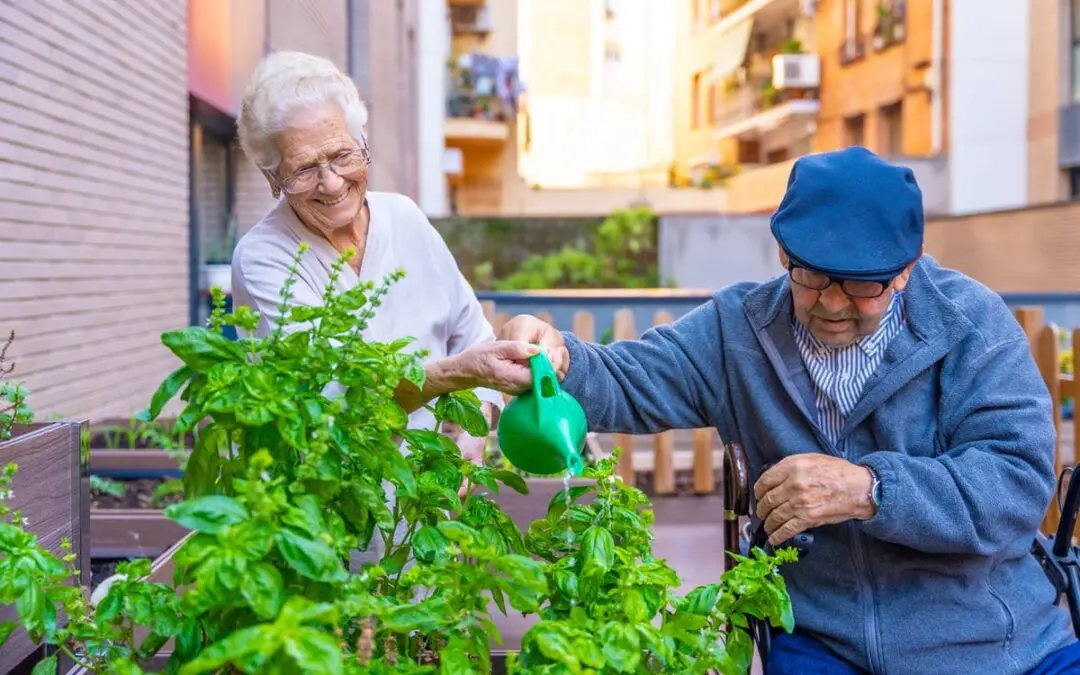
Finding meaning in daily life can become challenging for older adults as they enter their later years. Despite trying hard to take on activities and pursuits they once enjoyed, they may struggle to find meaning, engagement, and vibrancy in daily life. Gardening activities for seniors are among the most rewarding things they can do without feeling overwhelmed or stressed. The simple act of seeding a plant, nurturing it, and watching it grow can help aging seniors reflect on life.
As a gentle physical activity, gardening for seniors offers multiple benefits, including enhanced emotional satisfaction, mindfulness, and even positive effects for aging.
Modern senior living communities offer facilities that make it easier for residents to garden. They have raised beds, container gardens, lightweight and ergonomic tools, and comfortable seating—all of which help ensure that gardening remains comfortable and doesn’t leave residents stressed or burnt out.
More Than A Hobby: What Gardening Gives Older Adults
Think of gardening as a lifestyle essential that seniors can cultivate as a part of their daily living. To adopt it, they need no experience, as they can choose it at any life stage. For them, it can easily become a pathway to a more active lifestyle and improved wellness that supports a fulfilling life in their later years. From low-impact tasks like watering or seeding to more involved work like digging and preparing the ground, gardening offers many ways for seniors to engage.
Purpose
Finding purpose later in life becomes a key challenge for older adults. After retiring and with no job to return to, they are left guessing how to spend their time. Choosing gardening as an activity in senior living tends to give them the sense of purpose they need to live more fully. Seeding plants and watching them grow and flourish instills a sense of accomplishment that can even improve self-esteem. Caring for plants they planted themselves provides them a sense of purpose that keeps them engaged and going. The simple act of caring for plants is incredibly rewarding and can even help them adopt a positive outlook on life.
Routine
Few activities are as engaging and enjoyable as gardening while also being easy to do regularly. Making gardening a part of daily habits helps senior living residents in multiple ways. Although it may not seem like a worthwhile activity, it can do wonders for an aging senior by improving their mood, helping them unwind, and making idle time feel special. Gardening can take various forms, including outdoor and raised-bed activities, indoor and tabletop projects, or garden crafts, all without pushing past their limits, keeping them safe and secure.
Sensory Pleasure
A single look at the garden’s greenery and beautiful flowers in different hues offers a unique sensory pleasure for residents. The sight isn’t just pleasing to the eye but refreshing for the soul, too. Seniors go into the open garden space, pick their favorite plants, care for them, and even plant new ones. Whether it’s mulching leaves, raking soil before seeding, or simply smelling the fragrance of flowers, it all contributes to enhanced cognitive health.
Physical, Emotional, And Social Benefits
Despite looking like a mere physical activity, gardening low-key offers a multitude of benefits to seniors of all ages. It’s one of the most timeless hobbies seniors can pick up in their later years, offering benefits that extend beyond the physical. When done in groups, it offers social benefits, too. Gardening is also a wonderful mindfulness practice that engages a senior’s multiple senses.
Here are some of the notable benefits gardening offers older adults:
A Great Light Activity
Gardening as a hands-on activity first offers physical benefits. As a low-impact activity, it doesn’t require as much effort as traditional workouts. Depending on their current fitness level, seniors can garden without pushing too hard. As a moderate exercise, seniors can do activities like digging, planting, weeding, and watering plants that promote flexibility, mobility, strength, and endurance.
Fosters Better Mood
Gardening is one of the most practical activities seniors can enjoy to support a good quality of life. It is one of those activities that triggers the release of mood-boosting chemicals, including serotonin. Additionally, getting vitamin D from sunlight helps them regulate mood and enhance well-being. Whether it’s watering, seeding, raking, or simply sitting in the shade for a while, it all helps support emotional wellness.
Increase Time Spent Outdoors
Various studies have highlighted the benefits seniors can reap from spending time outdoors. A study published in JAMA Network Open stated that nearly 62 million older adults who lived near green spaces had lower rates of hospitalization caused by Parkinson’s disease, Alzheimer’s disease, and other forms of dementia. Gardening is a great outdoor activity that seniors can do to spend time outdoors. Doing so elevates their mood and helps lower stress hormones like cortisol, especially when done during early sunny mornings.
Shared Projects
When done as a group endeavor, gardening promotes camaraderie and a shared sense of purpose among peers. Gardening together promotes teamwork, fosters communication, and encourages a shared sense of responsibility in residents. Older adults can come together to work toward a shared gardening goal, then celebrate their progress after achieving the desired results. Whether it’s planting together, raking leaves, or maintaining garden beds, it combines shared expertise and helps create deeper bonds among residents.
Gardening Made Easier: Adaptive Tools And Setups
Not all seniors can have the same level of mobility. Many have mobility challenges that restrict their movement and make it harder for them to participate safely in activities, whether indoors or outdoors. To keep gardening safe and enjoyable, seniors need access to tools, equipment, and practices that make gardening more convenient and easier. This is what gardening in senior living offers: adaptive gardening tools and indoor gardening options for seniors.
Here are some ways senior living communities make gardening a safer and more accessible activity for seniors, helping them avoid negative outcomes.
Raised Beds
Elevated flower beds are another practical idea that makes gardening easier and more comfortable. Many communities offer waist-high raised beds where residents can plant vegetables, herbs, or flowers, removing the need to bend or kneel.
Container Gardens
This makes gardening more accessible at a comfortable height, as it doesn’t require bending over or kneeling to plant a seedling or care for a plant. While it doesn’t completely rule out the need to bend or kneel, it makes gardening much more comfortable. Seniors can grow the chosen plants in pots, troughs, or hanging baskets on patios, balconies, or even indoors.
Lightweight And Ergonomic Tools
Communities provide a range of ergonomic tools to ensure gardening remains safe and accessible for everyone and to reduce the risk of wrist, hand, and joint strain. Examples of lightweight tools include trowels, pruning shears, extendable-reach hand tools, watering cans, hoses, and kneeling pads. These tools prove especially beneficial for those with arthritis.
Seating
The idea behind providing gardening seating for seniors is to reduce the strain on their joints while kneeling or bending. Communities provide seat benches and folding kneelers as aids, allowing residents to work at comfortable heights and take necessary breaks.
Gardening In Senior Living Communities
Senior living communities treat gardening as a powerful activity that supports residents’ holistic health, not just a routine task. They aim to support seniors’ overall wellness by considering physical health, cognitive engagement, and emotional well-being. To support this, they offer outdoor plots, container setups, indoor plants, and even shared projects.
Community Garden Plots
Residents can rent garden plots, often on an annual basis. Designed with ergonomic heights, wide pathways, and adaptive tools, these plots make it convenient for residents to grow and harvest produce over time. For older adults, it’s like getting their own farm where they can reap the fruits of their labor.
Indoor Herbs
Seniors are also encouraged to grow indoor herbs that don’t take up more space than a window ledge. Some common options include chives, mint, basil, thyme, oregano, sage, rosemary, and parsley, which can also be used in cooking. They can also pair well with fragrant herbs, including lavender and rosemary.
FAQ
1. What are the best gardening activities for seniors with limited mobility?
The best gardening activities for seniors with limited mobility include raised bed gardening, container and tabletop gardening, vertical gardening, indoor windowsill planting, and sensory or wildlife-watching projects. These approaches make gardening comfortable without requiring seniors to bend, kneel, or lift heavy objects.
2. How can seniors garden safely if they have arthritis or joint pain?
Seniors with arthritis or joint pain can garden safely by working at higher levels, using ergonomic tools, and bending and lifting carefully.
3. What are the easiest plants for older adults to grow and maintain?
The easiest plants for older adults are forgiving, low-maintenance indoor plants like snake plants, ZZ plants, pothos, spider plants, peace lilies, and succulents. Seniors can also go with compact herbs or marigolds for sunny windowsills, balconies, or raised beds.
4. Can older adults with dementia safely participate in gardening activities?
Yes, based on their abilities and environmental safety, older adults with dementia can safely participate in gardening activities. For them, gardening often supports mood, helps reduce agitation, encourages gentle movement, and gives them a sense of purpose.
5. What are the benefits of raised garden beds for seniors?
Raised garden beds for seniors offer multiple benefits. They make gardening safer, more comfortable, and easier to maintain by elevating the growing surface and fostering a controlled planting space.
6. Do senior living communities offer gardening activities for residents?
Yes, many senior living communities offer gardening activities as part of their regular scheduling, therapy sessions, and clubs. It benefits them in many ways, providing physical activity that fosters social connection, mental well-being, and a sense of purpose.
Eden Vista Burr Ridge—Senior Living That Promotes A Comprehensive Lifestyle
At Eden Vista Burr Ridge, we recognize that gardening is one of the most beneficial activities seniors can take on in their later years. Although it may not look like much, it works on a deeper level and promotes holistic wellness in ways that similar activities can’t match. It encourages everyday movement, supports flexibility and mobility, reduces stress, and brings comfort and clarity to residents’ daily lives. Gardening is actually a one-of-a-kind dynamic activity that fosters overall wellness like no other endeavor.
Families seeking a compassionate senior living option for their loved one can contact us at Eden Vista Burr Ridge. Our beautiful outdoor courtyard spaces, combined with enclosed garden areas, create a serene environment where residents can enjoy time together. With staff handling laundry and housekeeping, residents live a life of convenience and comfort, as families hope they will. With on-site, chef-inspired meals and restaurant-style dining, residents enjoy a comfortable lifestyle in our community.
To learn more about our community amenities, you can schedule a tour with us. Come prepared with a list of questions to learn more about the kind of life your loved one can enjoy with us.